Research …
basis of thoughtful execution!
To be honest my painting is not a perfect representation of Hesiod’s story. Many elements and details present in the Greek lines are not represented. I read several original Greek and Latin tellings of the Typhonomachy and took inspiration from all of them. I took Hesiods version of the story, because I do not like the version of the story involving a flight into Egypt, and most of all because it very nicely fits my design. The general composition of the painting was already decided upon before I read any original text on the matter. The Fresco I made in High School ‘Damnatio Typhono’, is evidence of this. In short, ‘the spark of inspiration’ the ‘desegnio’, came first. The further in deapth study of ancient sources followed. A single line in the book of an old High School textbook was enough for my teenage self to become infatuated with this ‘desegnio’.
Pepijn, 2019
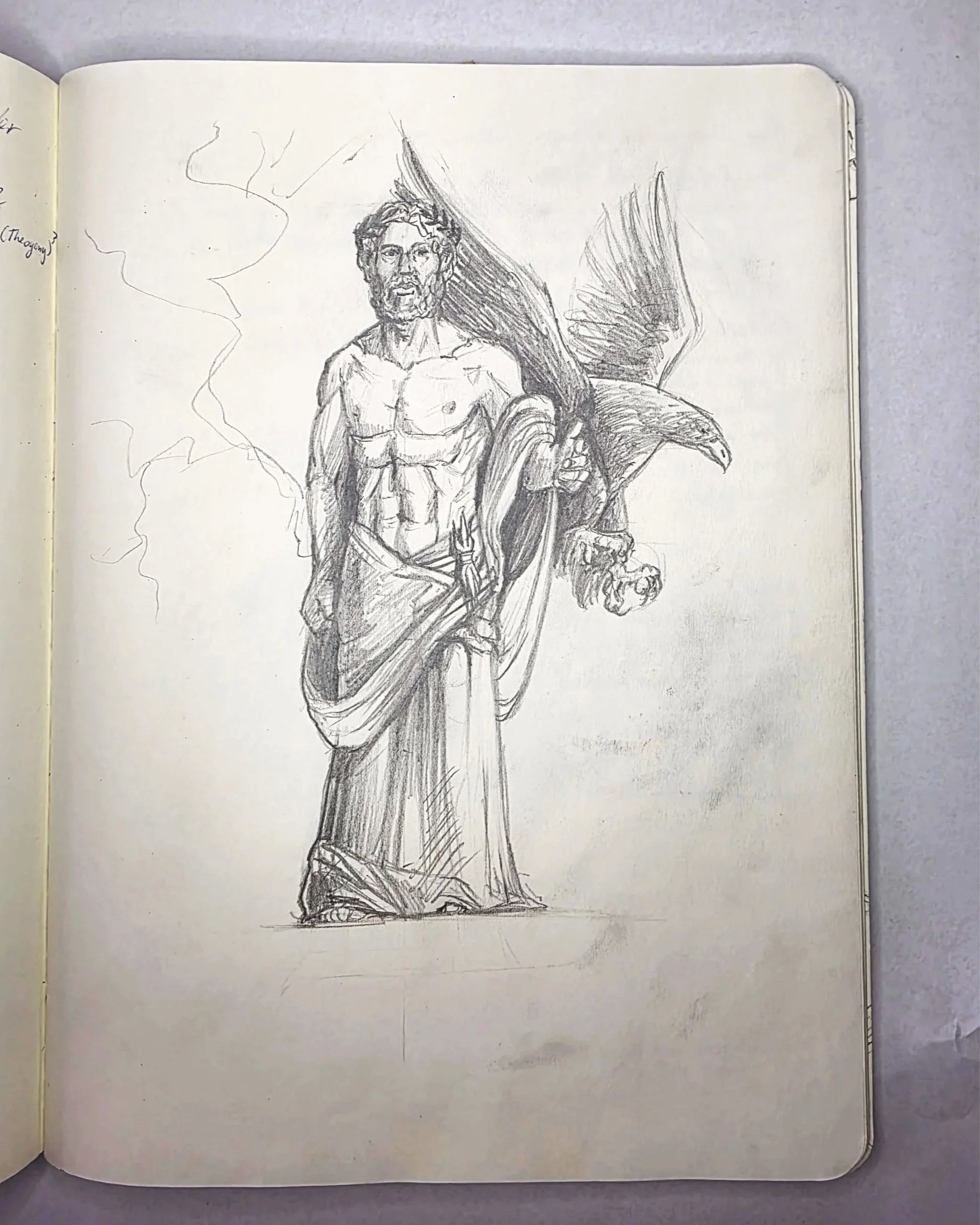
ZEUS, King of Olympus. Leader of the Gods. The God of thunder and ruler over the skies. Accompanied by an eagle and sometimes denoted with a Z for Zeus . Son of the Titans Cronos & Rhea. - Centre of composition - Making eyecontact with Typhoon - Wielding lightning - Accompanied by his eagle - Dressed like Jesus in the Stanzadella Segnatura White - Dress pin in the shape of an ancient lightning bolt - Based on Ladon - Crown of Victory with Nice (Godin Nike) - Head band of gold - Eagle attacks snake?
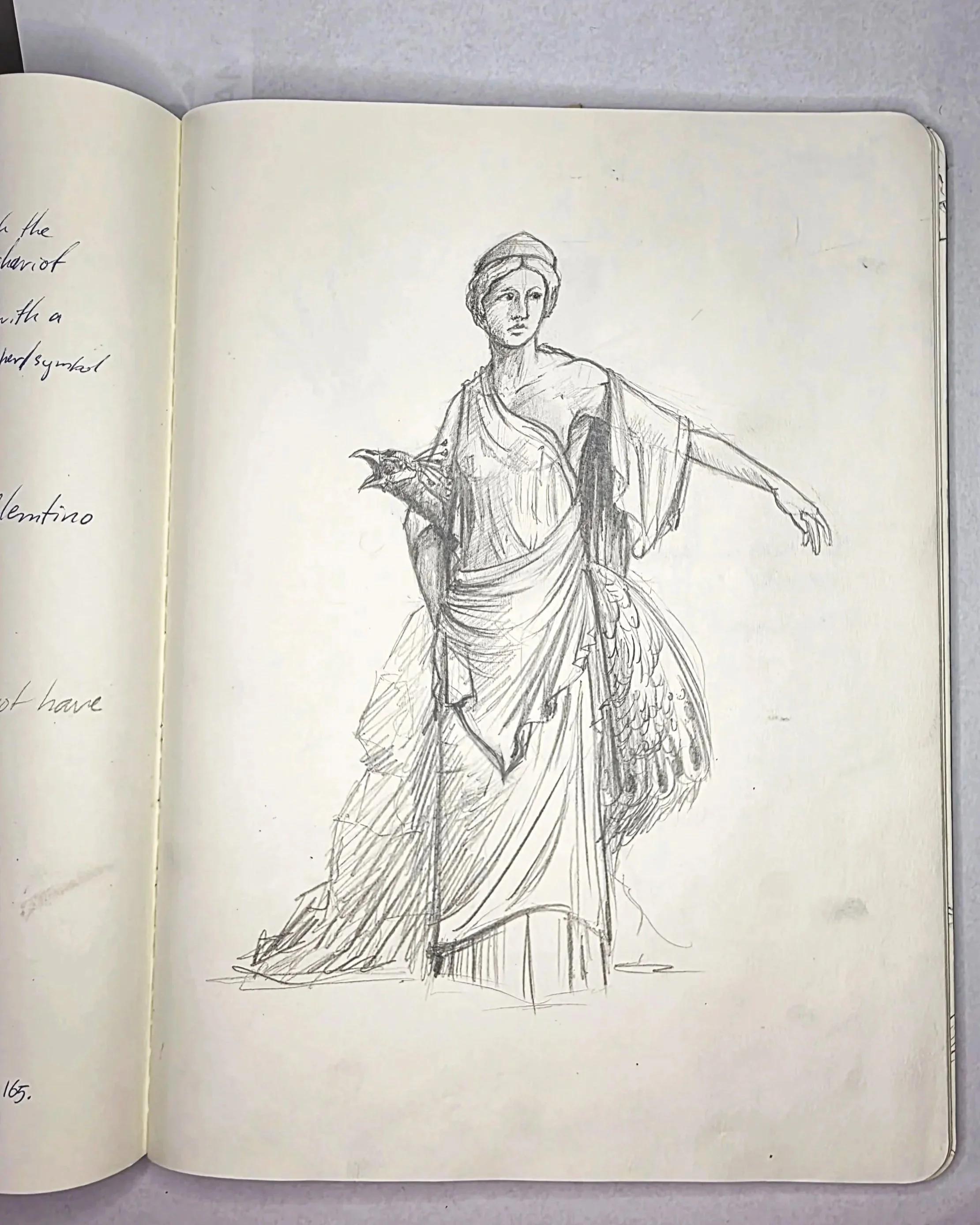
HERA, Queen Goddess of Olympus, Goddess of marriage. The wife of Zeus, often depicted with a crown. She is often accompanied by a peacock. She was the one who took the eyes of Argos and gave them to the peacock. Her carriage is often pulled by peacocks . Daughter of Cronos & Rhea. Sometimes depicted with a staff with a cuckoo, the animal in which Zeus had turned himself when seducing her, symbol of the messanger of spring . Is prayed to for fidelity in marriage. Hera promised Paris rulership over all of Asia. Zeus helped the Trojans but Hera was on the side of the Greeks . Base the design on the Barberini Hera, Museo Pio-Clementino (maybe change the hair). - Next to Zeus - Wearing a diadem (with a peacock?) - Golden buckles for the dress - White dress - Accompanied by a peacock - Holding staff - Holding petera (dish) - Golden sandals!
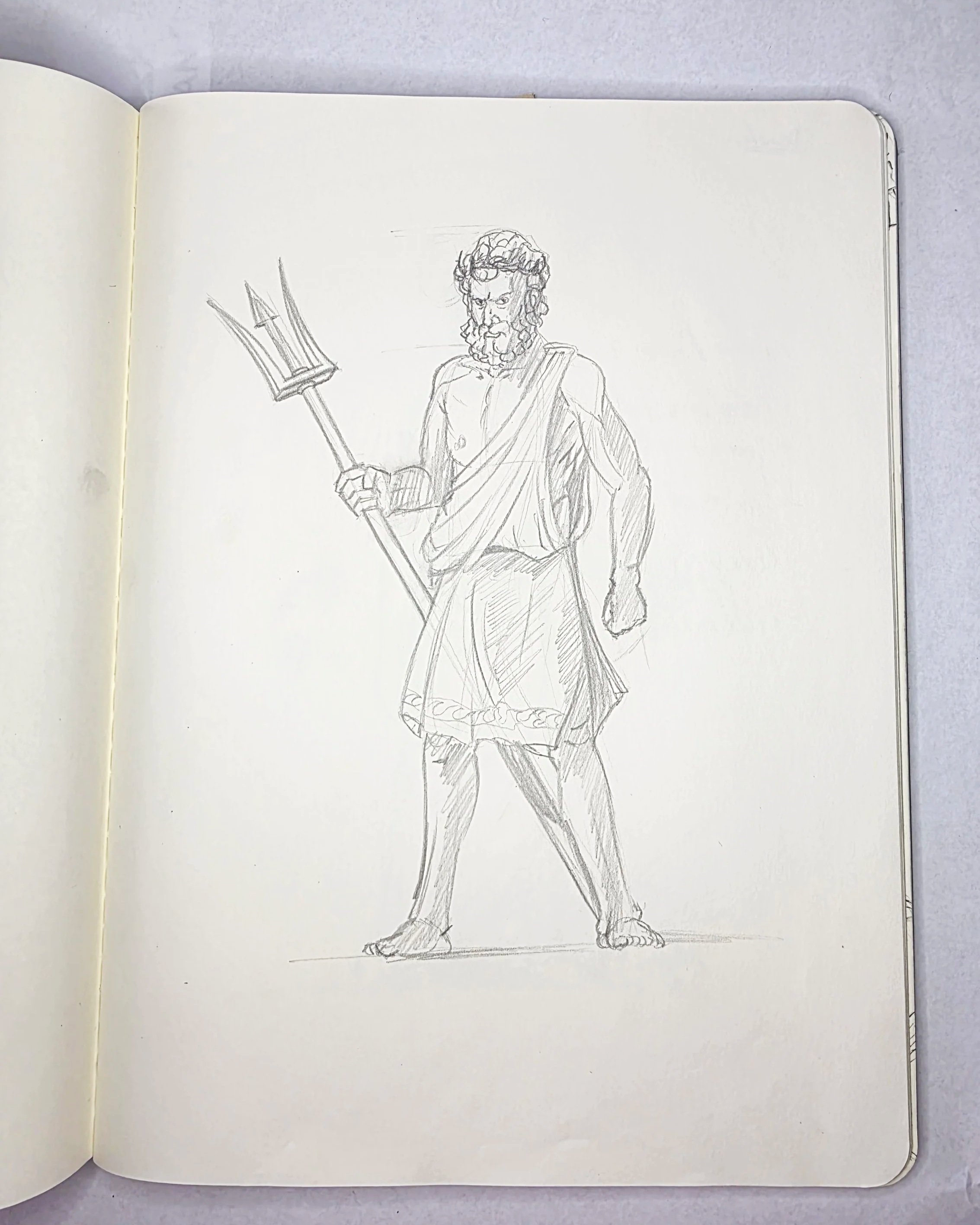
POSEIDON - Triton - Blue robes (with green?) - Seaweed / coral crown - ‘Dark maned’
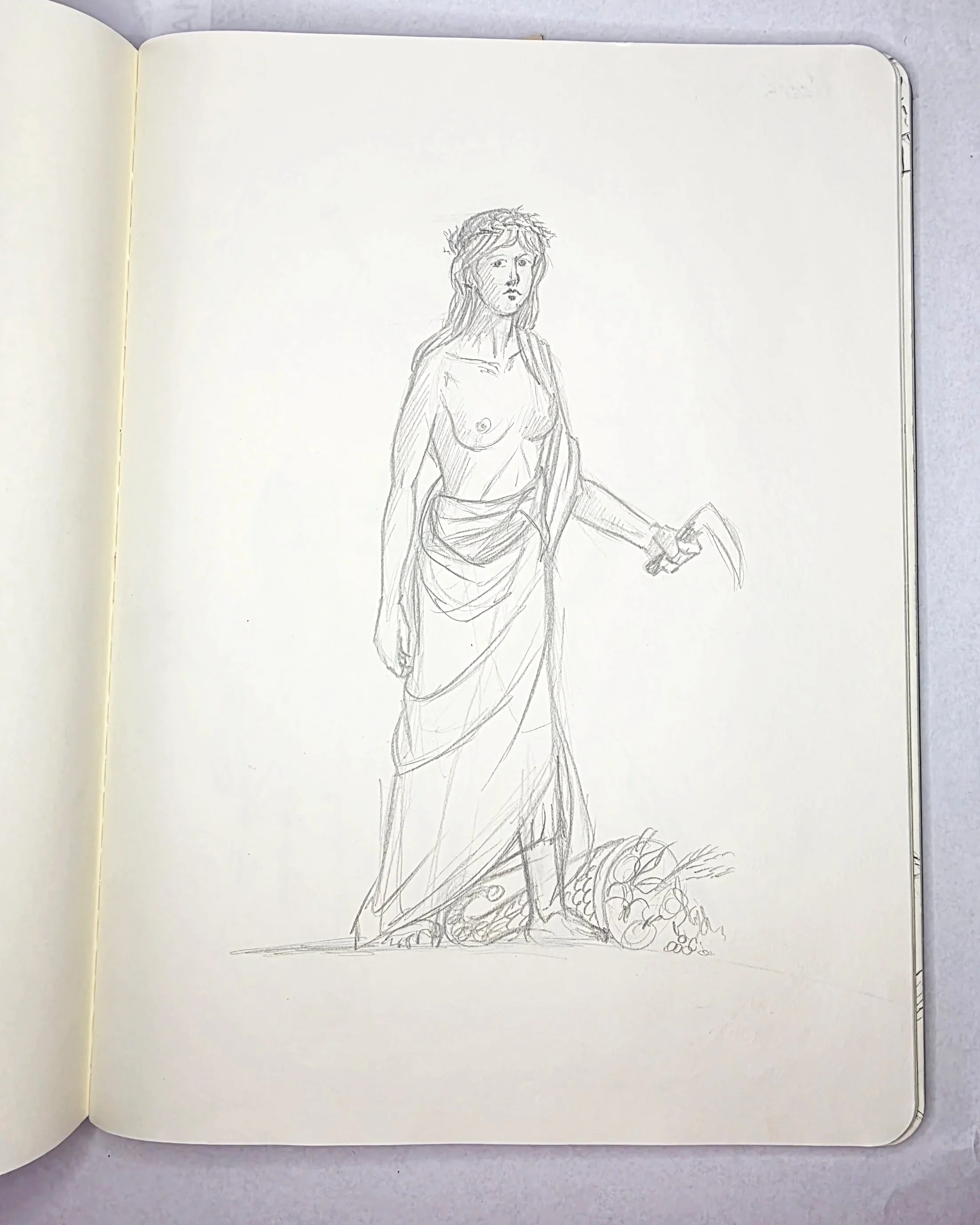
DEMETER, National Roman museum: Demeter statue - Naked breasted - Green and yellow clothes - Crown of grains - Cornucopia at the feet - Sickle in hand as weapon
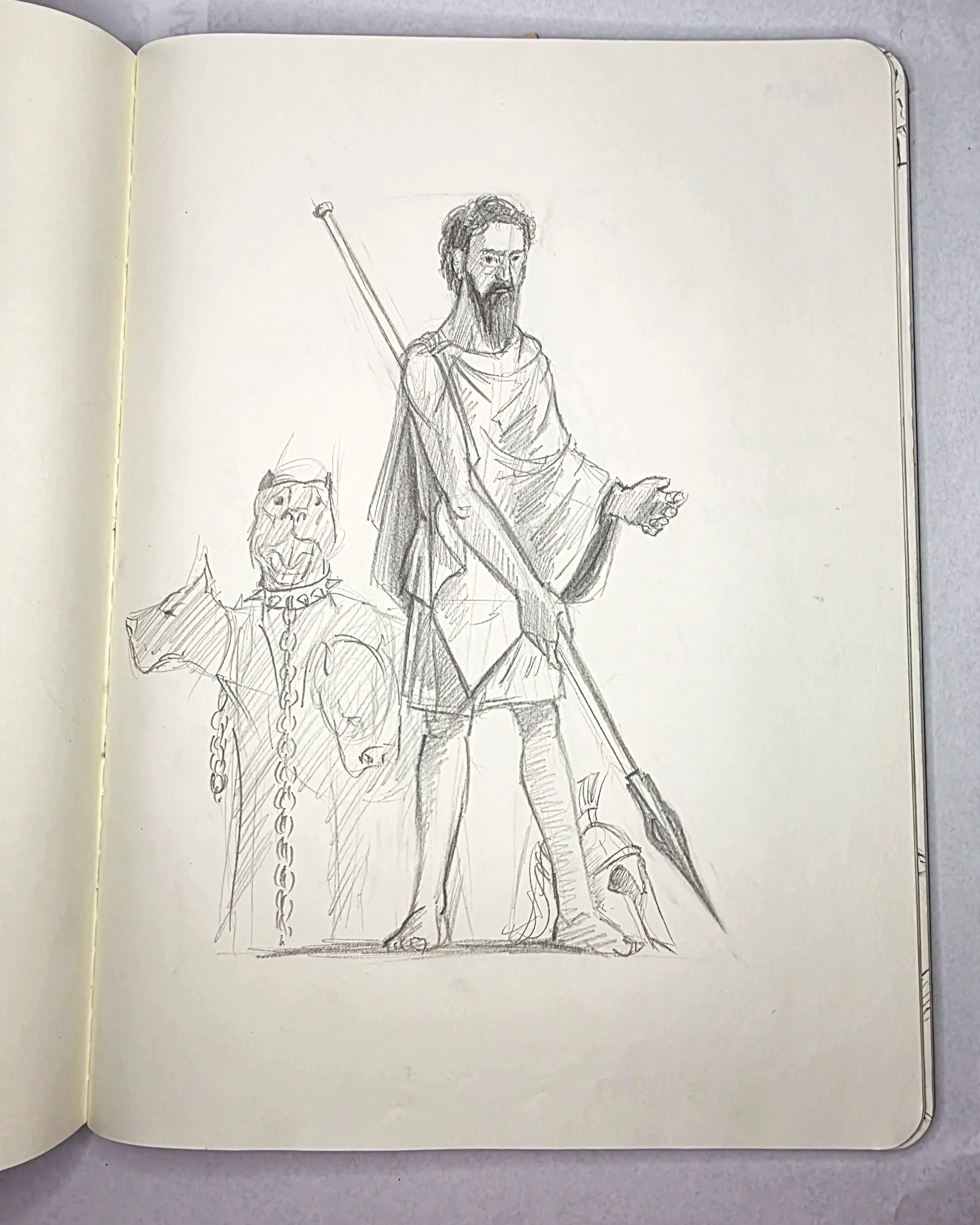
HADES, - Black / dark blue robes - Bronze spear - Kerberos > Cane Corso = Wolf dog American pitbull – Terrier - Doberman - Grey / black / white chest - Black hair - Black band on head
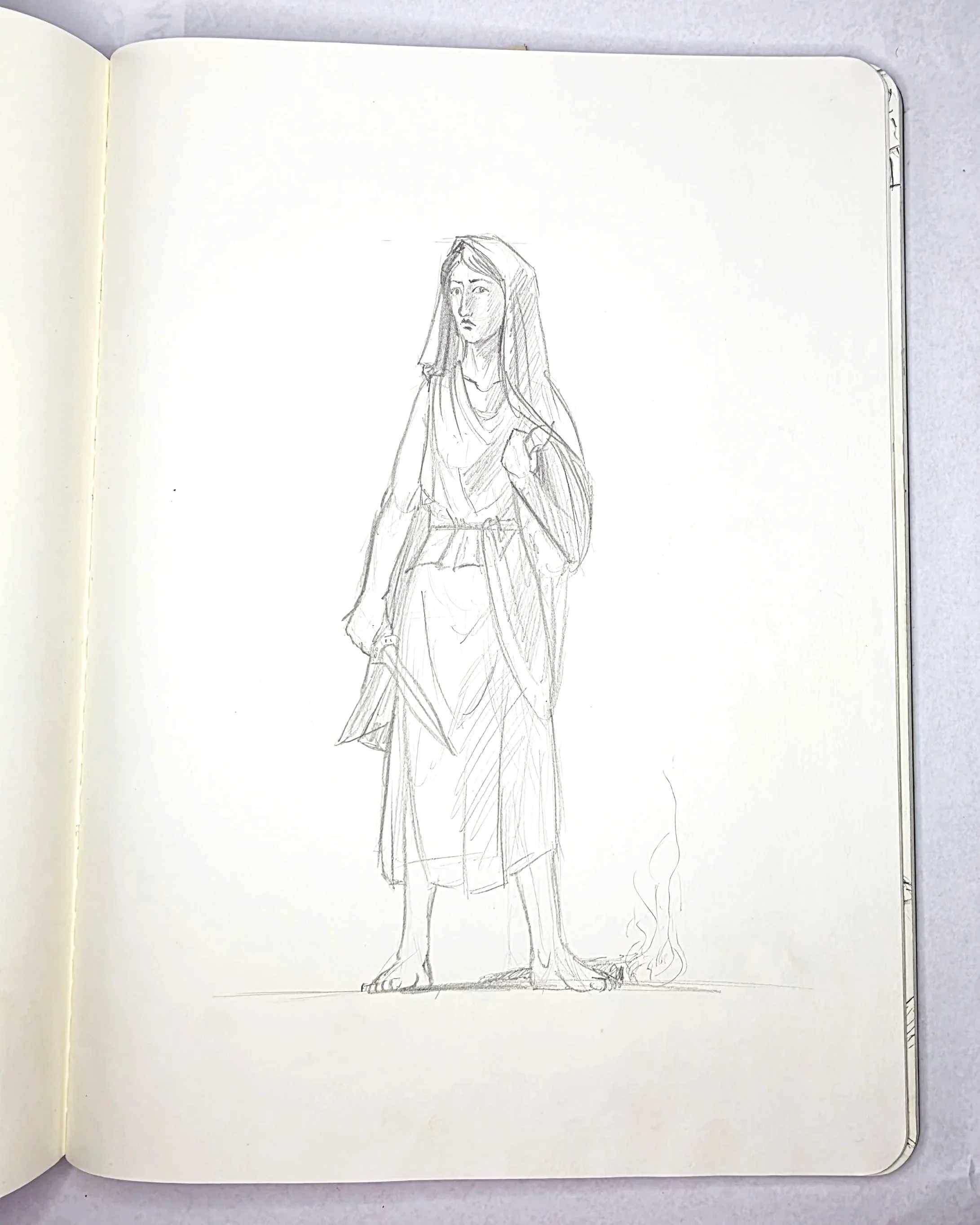
HESTIA, - Oker red Velato & brown / red/ yellow clothes - Bronze sacrificial knife as a weapon - Torch with fire? At the feet?
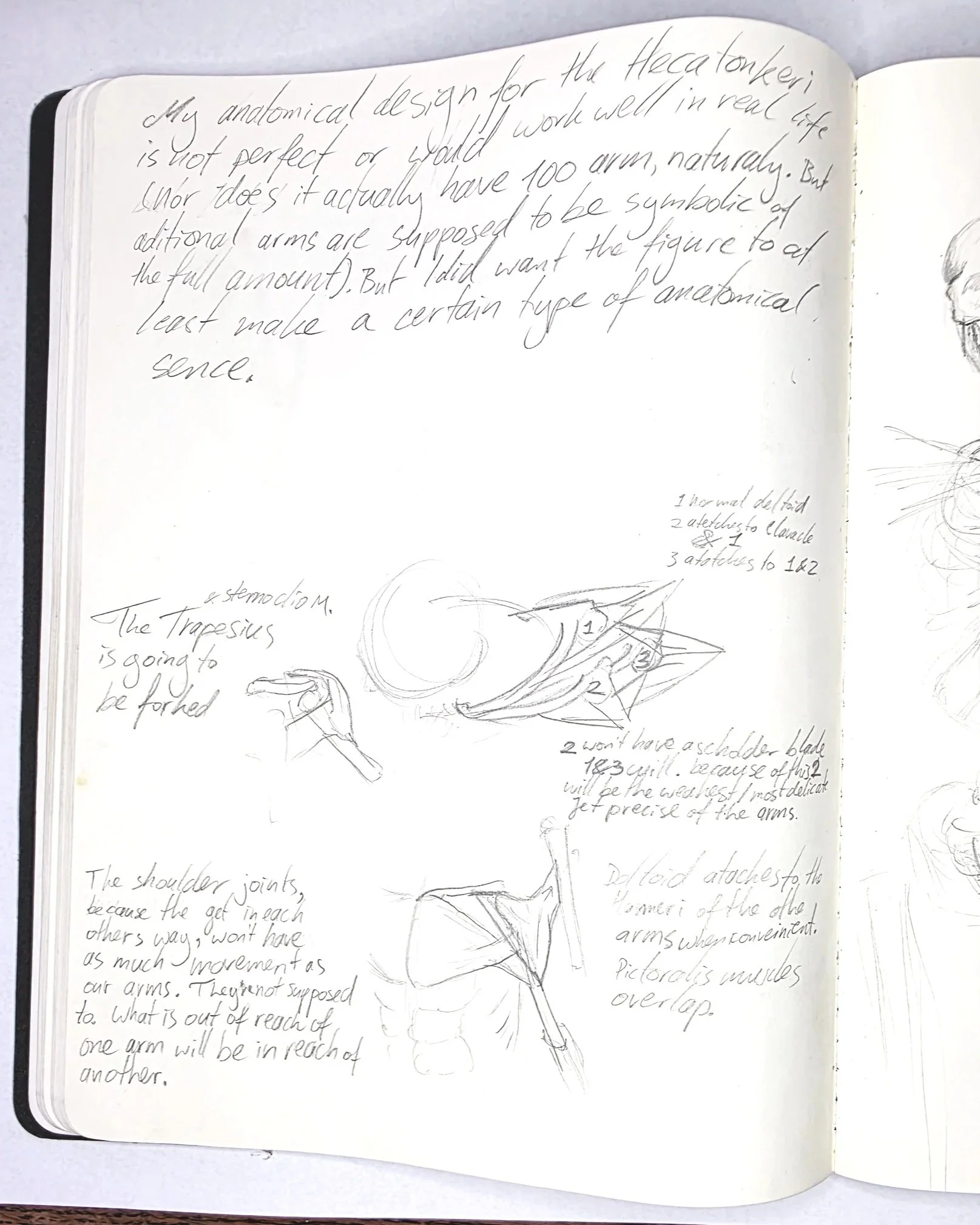
HECATONKERI - ANATOMICAL DESIGN My anatomical design for the Hecatoncheiren is not perfect or would work well in real life (nor does it actually have 100 arms, naturally. But additional arms are supposed to be symbolic of the full amount). But I did want the figure to at least make a certain type of anatomical sense.
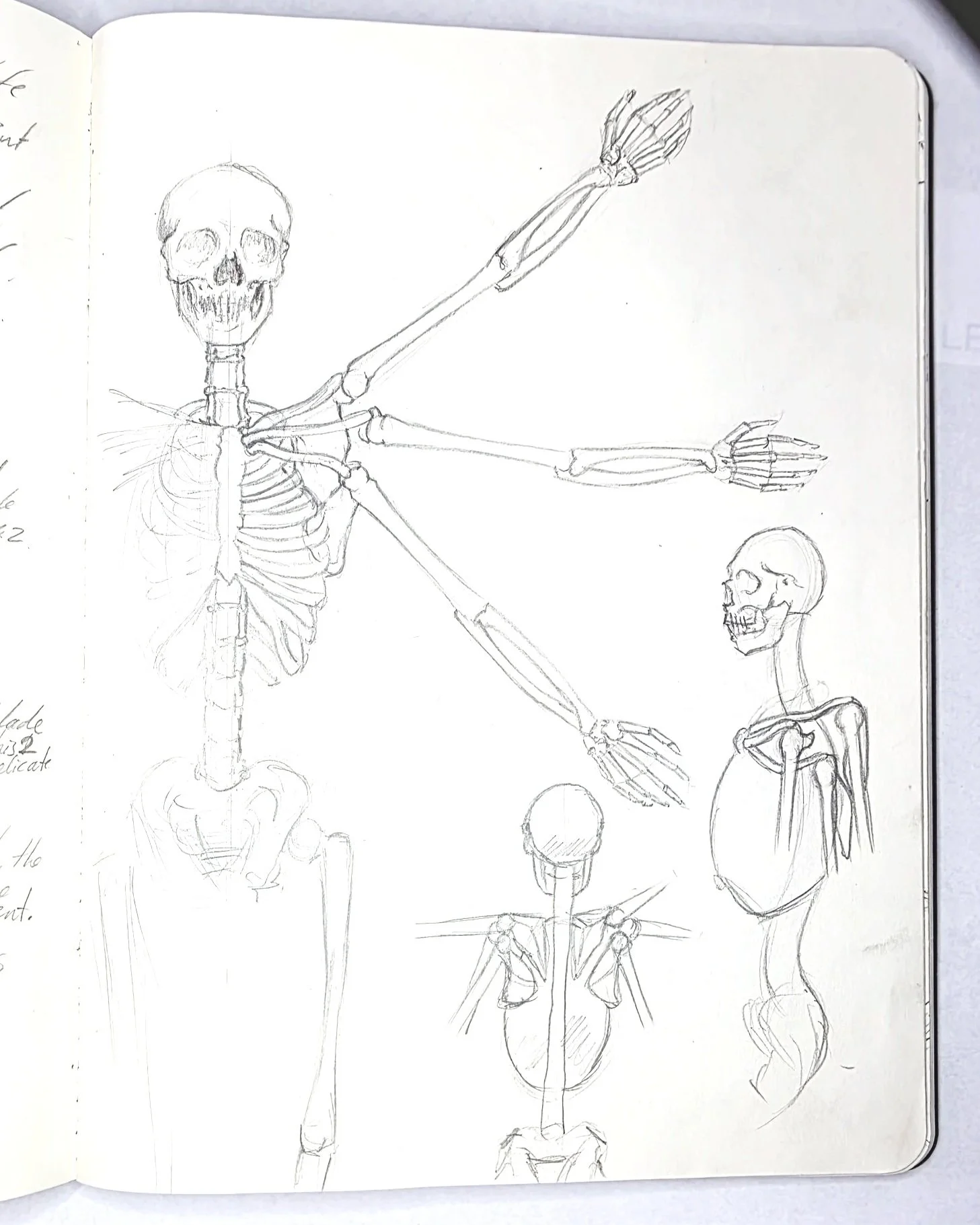
HECATONKERI - ANATOMICAL DESIGN
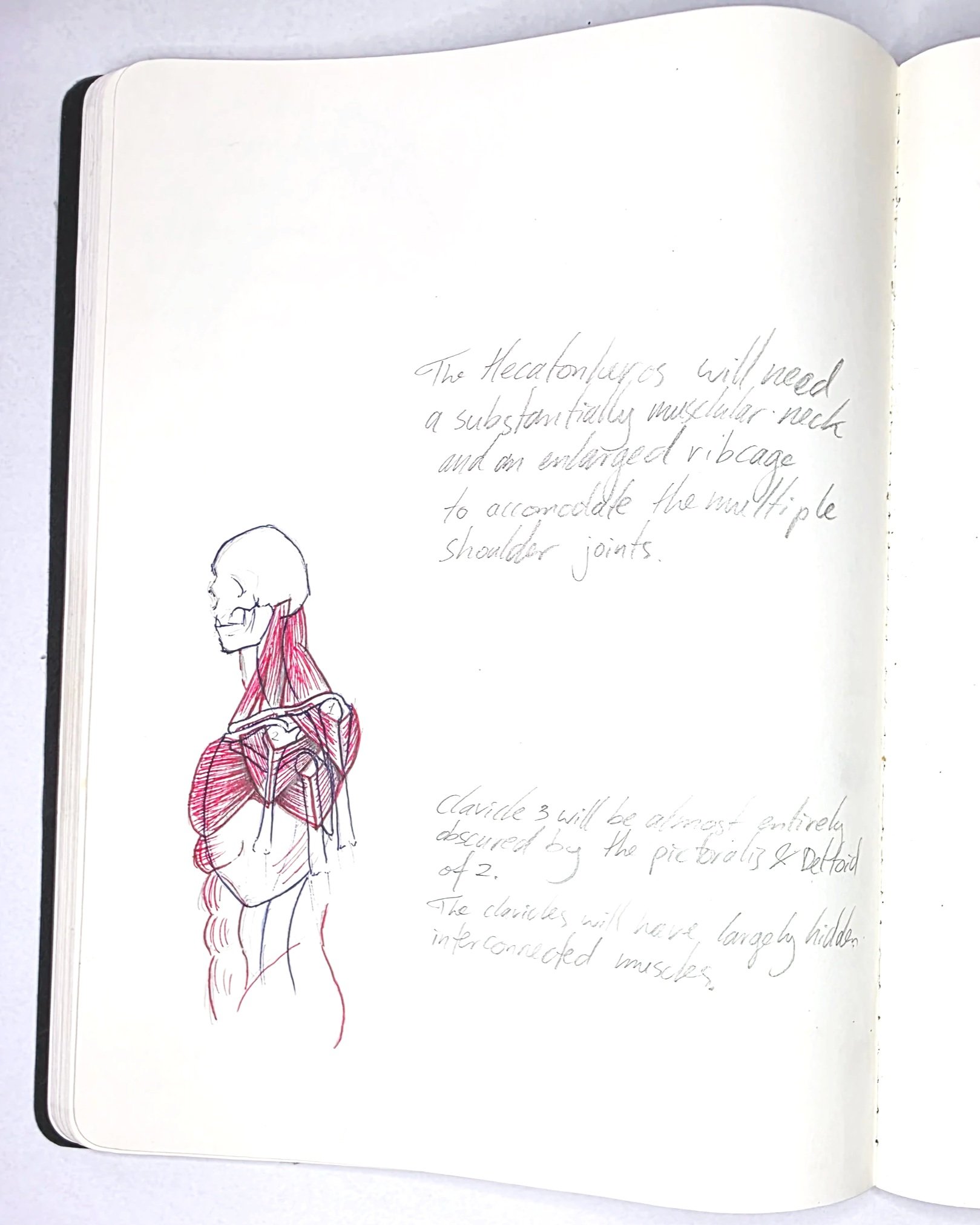
HECATONKEROS - MUSCULAR NECK The Hecatonkeros will need a substantially muscular neck and an enlarged ribcage to accomodate the multiple shoulder joints.
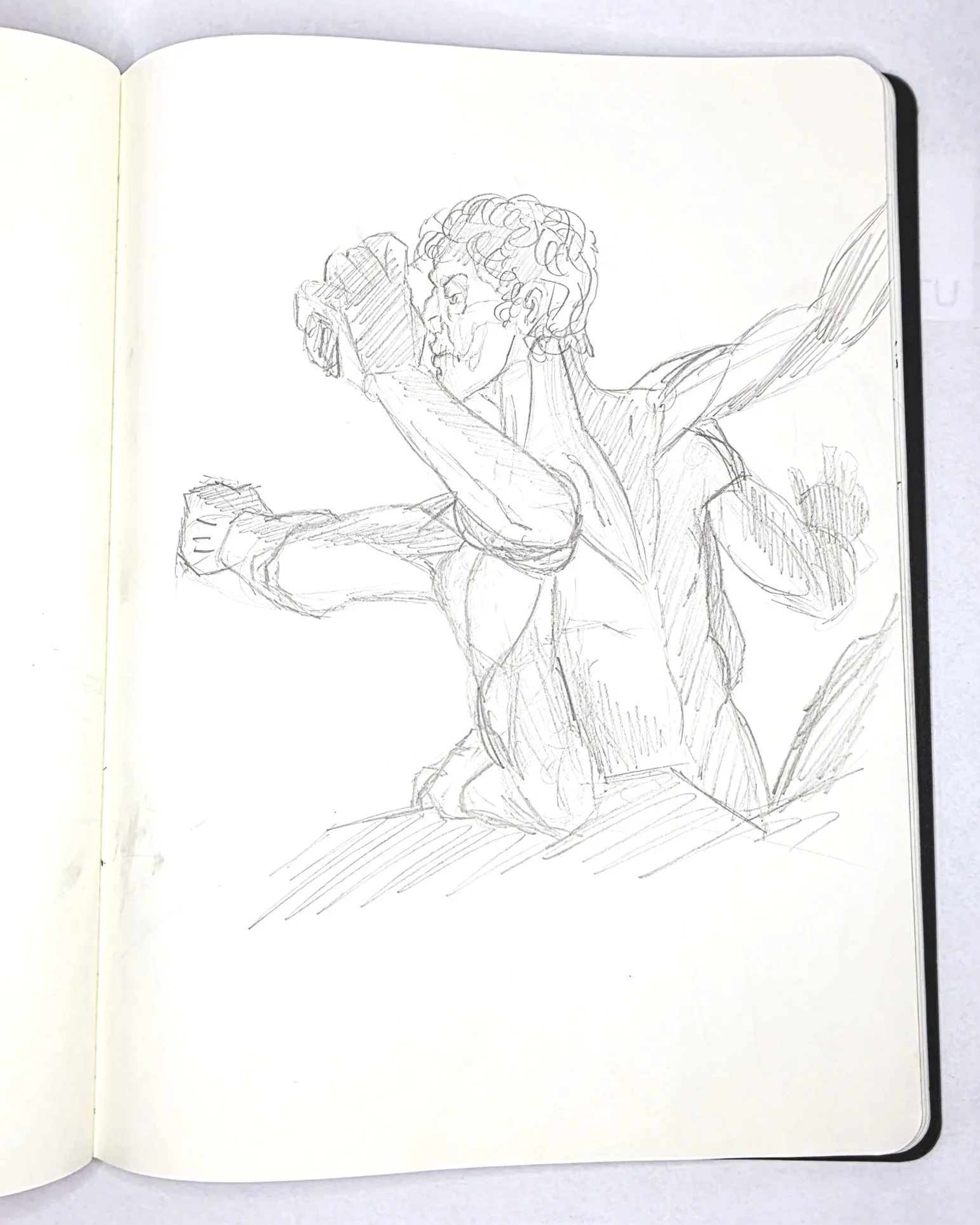
HECATONKEROS
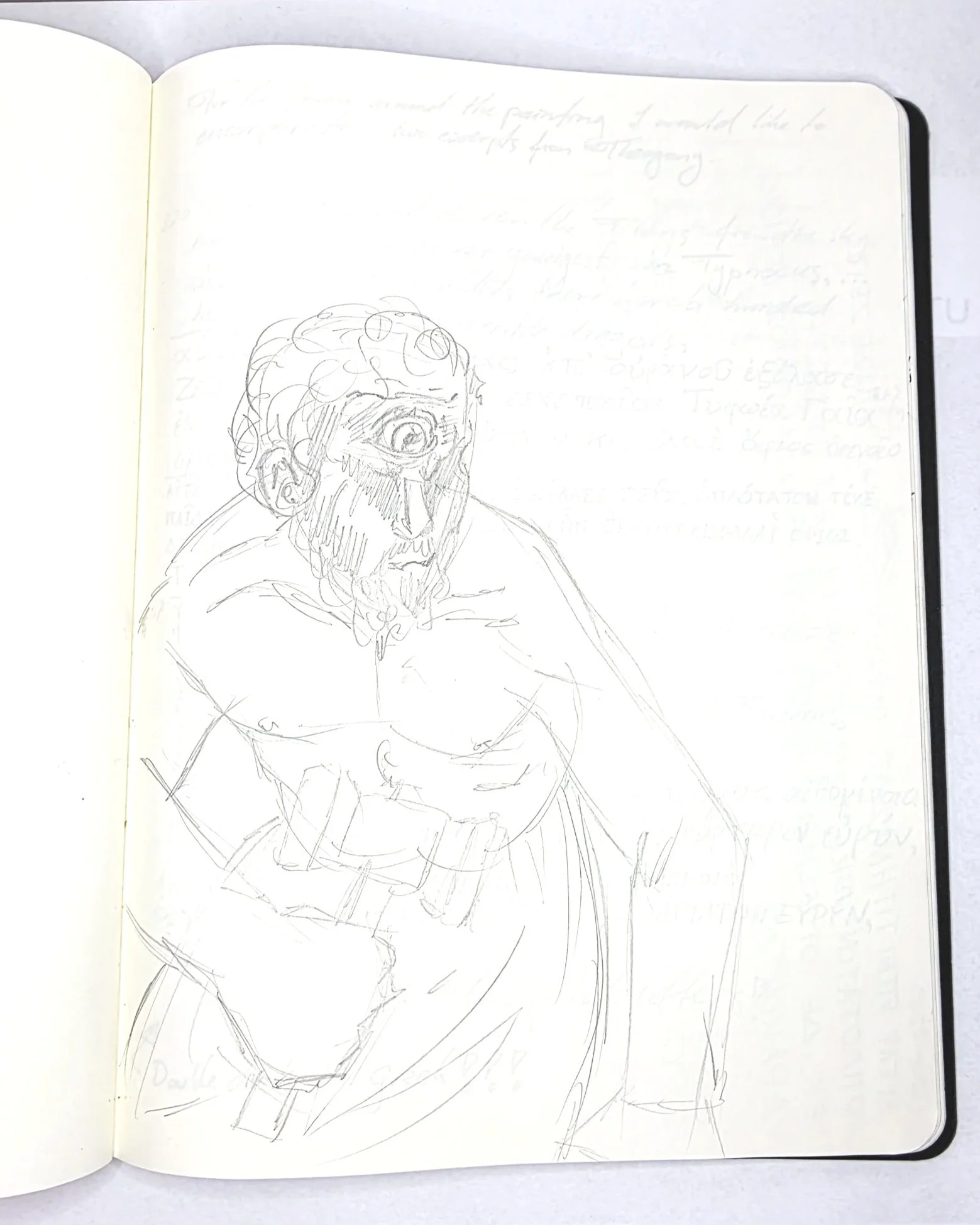
STEREOPES, - One eye on the forehead - Hammer (smiting / weapon) - Broadbuild - Simple tunic
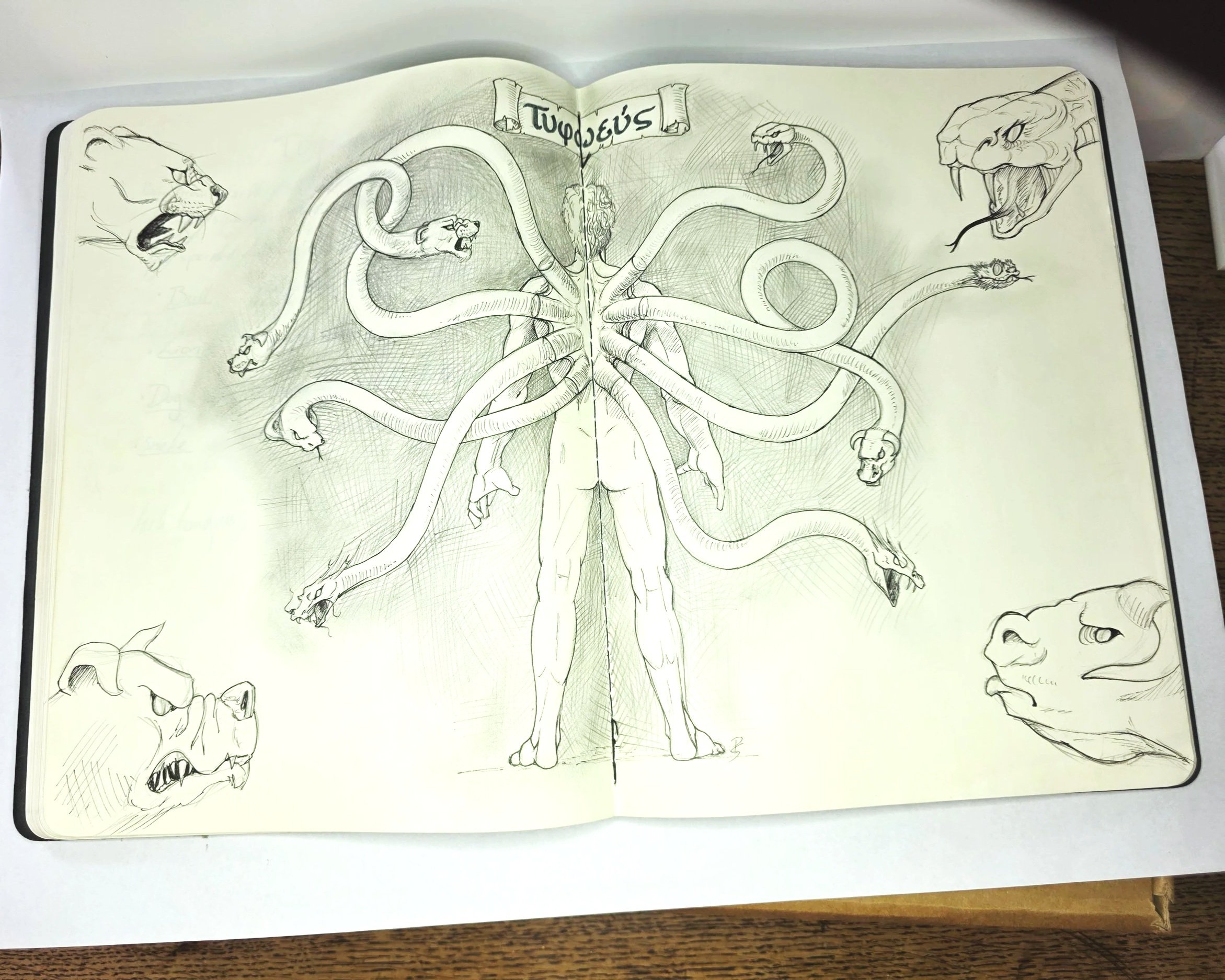
TYPHOEUS, born from the union of Gaia (Earth) & Tartarus (Hellevuur) (822) “From his shoulders were a hundred heads of a snake. Fire sparkled from hid eyes under the eyebrows.” - Bull “a loud bellowing, majestic bull, unstoppable in its strength” - Lion “a lion, within ruthless spirit” - Dog “the young dogs, a wonder to hear” - Snake “and of other times he kissed”